
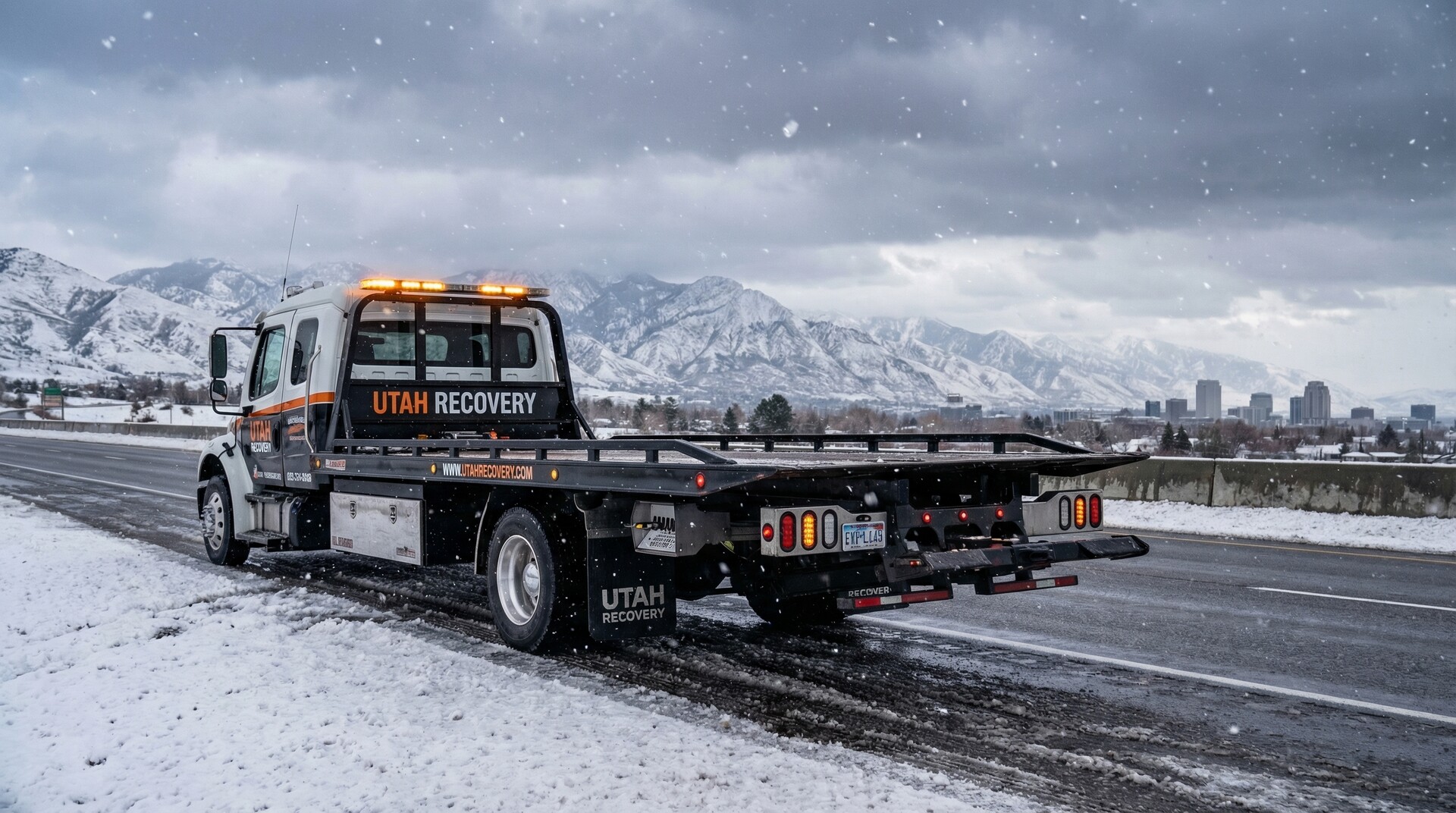
February in Salt Lake City is a bit of a wildcard. One morning you’re looking at clear blue skies over the Wasatch Mountains, and by lunchtime, a lake-effect snowstorm has turned I-15 into a giant skating rink. It’s that awkward stretch of winter where we’re all tired of the cold, but the road conditions are often at their absolute worst.
Table of Contents
The Brutal Reality of Utah Winter Driving
If you think you’re a pro at driving in the snow just because you grew up here, the numbers might give you a reality check. Winter in Utah isn’t just about annoying delays; it’s genuinely dangerous. In 2023, Utah experienced 9,332 crashes involving adverse weather conditions. That’s not a small number—it averages out to dozens of accidents every single day during the stormy months.
Even more concerning is that these adverse weather crashes in Utah resulted in 2,304 injuries in 2023. Most of these weren’t inevitable “acts of God,” either. Nearly 50% of Utah’s adverse weather accidents in 2023 were related to speed. People simply drive too fast for the conditions, assuming their AWD or 4WD makes them invincible. Trust me, your truck might go in the snow, but it doesn’t stop any better than a sedan when you’re hitting black ice near the 600 South off-ramp.
“The biggest mistake I see isn’t a lack of skill; it’s overconfidence. Physics doesn’t care if you have a brand-new SUV. If you’re doing 70 mph on a slushy I-80, you’re eventually going to meet a concrete barrier or a towing cable.”
Navigating the SLC “Hot Zones” This Month
If you’re commuting from West Valley City or heading into Downtown SLC for work, you know the trouble spots. The “Spaghetti Bowl” where I-15 meets I-80 and SR-201 is a frequent site for multi-car pileups. But it’s not just the highways. The steep hills in The Avenues and the narrow, snow-packed side streets of Sugar House present their own set of challenges.
When the snow starts piling up, the city’s plow crews do a great job, but they can’t be everywhere at once. If you find yourself sliding toward a parked car on a residential hill, your best bet is to steer into the skid and pray for traction. If that fails, you’re going to need a professional recovery. We see a massive spike in winch-out calls in February because people try to “power through” a snowbank and end up high-centered.
Preparing Your Vehicle for the February Slump
Your car has been working hard since November, and by February, parts are starting to feel the strain. The constant freeze-thaw cycle in the Salt Lake Valley is brutal on batteries and tires. If your car struggles to start on a 15-degree morning in Murray, that’s your warning sign. Don’t ignore it, or you’ll be calling for a jump start when you’re trying to leave the office at 5 PM.
The EV Challenge in the Cold
If you’ve made the switch to an electric vehicle, you’ve probably noticed your range dropping as the temperature dips. But it’s not just about range; it’s about weight and towing capacity too. For instance, the 2025 Ford F-150 Lightning EV is rated for a maximum of 10,000 pounds, compared to the diesel variant of the F-150 achieving up to 13,000 pounds, a detail noted by Grokipedia.
This weight difference matters if you’re the one needing a tow. EVs are significantly heavier than their gas counterparts due to the battery packs. If you drive a Tesla or a Rivian and get stuck, you can’t just call any old wrecker. You need a company that understands EV safety protocols and has the right flatbed equipment to handle the extra weight without damaging the drivetrain.
Your Winter Emergency Kit Checklist
Don’t wait until you’re stranded on the side of I-80 to realize you don’t have a blanket. Every car in Utah should have a dedicated winter kit. Here is what we recommend keeping in your trunk at all times:
| Category | Essential Items | Pro Tip |
|---|---|---|
| Safety | Road flares, reflective vest, first aid kit | LED flares are safer and last longer than traditional ones. |
| Warmth | Heavy blanket, extra gloves, hand warmers | Mylar “space blankets” take up zero room and save lives. | Tools | Small shovel, ice scraper, jumper cables | A bag of kitty litter or sand provides instant traction on ice. |
| Communication | Portable power bank, physical map | Cold kills phone batteries faster than you’d think. |
What to Do if You Get Stranded
If you do slide off the road or your engine dies in the middle of a storm, stay calm. Your first priority is visibility. Turn on your hazard lights immediately. If you’re on a busy stretch of I-15, staying inside the vehicle is usually the safest option. Stepping out onto a snowy highway is a recipe for disaster, as other drivers might lose control and slide right into you.
If you have to wait for a towing service, keep your tailpipe clear of snow if you’re running the engine for heat. Carbon monoxide poisoning is a very real threat if the exhaust gets blocked. Run the heater for 10 minutes every hour to conserve fuel while staying warm enough to avoid hypothermia.
Finding a Reputable Towing Company in Salt Lake City
Here’s the part no one wants to talk about: not all companies are looking out for you. When you’re stressed and freezing on the side of the road, it’s easy to just say “yes” to the first person who shows up. However, the National Insurance Crime Bureau documented an 89% nationwide rise in predatory towing claims from 2022 to 2024, per Grokipedia. Most of these were tied to commercial vehicles, but individual drivers get scammed every day too.
To avoid getting ripped off, follow these three rules of thumb:
- Get multiple quotes: Prices for towing services can vary significantly in Salt Lake City. We always recommend getting at least 3 quotes before making a decision. Expect to pay anywhere from $75-$150 for a standard local tow, but specialty recoveries will cost more.
- Check reviews and references: Any reputable company should be happy to provide references or point you to their online reviews. Look for mentions of response times and how they handled the vehicle.
- Ask about warranties: Quality work should come with a warranty. If they’re just “hooking and booking” without any guarantee of safety or care, look elsewhere. Make sure you understand what’s covered before signing anything.
“I’ve seen people pay $400 for a two-mile tow because they didn’t ask for a price upfront. In the towing industry, transparency is the difference between a professional and a predator.”
A Lesson from History
Predatory practices aren’t new. Some companies have historically been notorious for aggressive tactics. For example, Grokipedia mentions how Lincoln Towing Service in Chicago faced administrative hearings in 2023 for unauthorized towing, with potential fines of $1,500 per violation. While that’s a different city, the lesson remains: always verify that the company has the legal right to move your vehicle and that you’ve agreed to the terms.
Heavy Duty Needs and DOT Regulations
If you’re operating a commercial vehicle or a large RV in the Salt Lake area, the rules are even stricter. The Department of Transportation (DOT) regulates interstate commercial operations for any vehicle with a gross vehicle weight rating exceeding 10,001 pounds. This includes hours-of-service (HOS) rules meant to prevent driver fatigue.
According to Grokipedia, these rules include a maximum of 11 hours of driving after 10 consecutive hours off-duty, and a mandatory 30-minute break after 8 hours. If you’re a fleet manager or a truck driver stuck near Draper or Sandy, make sure the towing company you call understands these regulations. You don’t want a recovery operation to turn into a legal headache because the operator wasn’t compliant with federal safety standards.
Staying Safe on the Wasatch Front
At the end of the day, Salt Lake City is a beautiful place to live, even in the dead of winter. But the Wasatch Mountains demand respect. Whether you’re driving a beat-up sedan through the Avenues or a heavy-duty rig on I-80, the rules of the road change when the snow starts falling.
Slow down, give yourself plenty of space, and make sure your vehicle is up to the task. If things go sideways, don’t panic. There are professionals here who know these roads as well as you know your own driveway. Take a breath, check your surroundings, and make a smart choice about who you trust to get you back on the road.
February won’t last forever, but a bad decision on an icy road can have consequences that last a lot longer. Stay safe out there, SLC.
Ready to Get Started? Contact Salt Lake Towtruck Today
When you need professional towing services in Salt Lake City and surrounding communities, Salt Lake Towtruck is here to help. Our experienced team provides quality workmanship with transparent pricing and a commitment to your complete satisfaction.
Get a free quote today
Frequently Asked Questions
How many weather-related car accidents occur in Utah during the winter?
In 2023, Utah saw 9,332 crashes involving adverse weather conditions, resulting in 2,304 injuries. Nearly 50% of these accidents were caused by drivers traveling too fast for the snowy or icy conditions.
What are the most dangerous areas for winter driving in Salt Lake City?
The ‘Spaghetti Bowl’ interchange where I-15, I-80, and SR-201 meet is a major hotspot for pileups. Other difficult areas include the steep hills of The Avenues and the narrow, snow-packed side streets in Sugar House.
What should be included in a winter emergency kit for my car?
Your kit should include safety items like road flares and a first aid kit, warmth essentials like heavy blankets and hand warmers, and tools such as a shovel, ice scraper, and jumper cables. A bag of kitty litter or sand is also recommended for instant traction on ice.
Do electric vehicles (EVs) require special towing services in the winter?
Yes, EVs are significantly heavier than gas-powered cars and require specialized towing companies that understand EV safety protocols. They typically need flatbed equipment to prevent damage to the drivetrain during transport.
How can I avoid being scammed by a towing company in Salt Lake City?
To avoid predatory towing, always get at least three quotes and check reviews before selecting a service. A standard local tow in Salt Lake City typically ranges from $75 to $150, though specialty recoveries may cost more.