
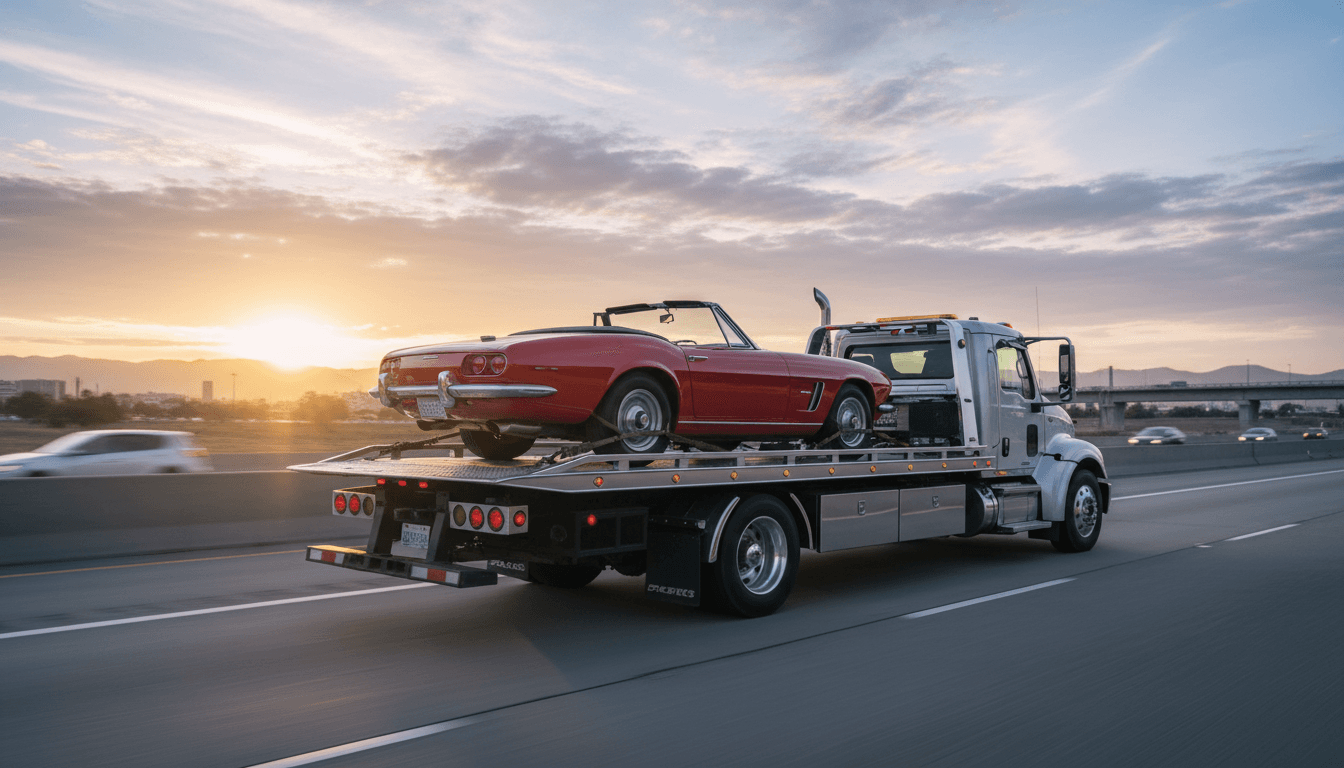
When your vehicle breaks down, the primary concern is getting it moved safely, and often, that means considering if flatbed towing is truly your best option. While other methods exist, we firmly believe that for most modern vehicles and situations, it’s not just an option, but often a necessity for peace of mind.
Key Takeaways
- Flatbed towing offers superior safety, completely eliminating wear and tear on your vehicle’s drivetrain and tires during transport.
- It’s the only truly safe method for all-wheel drive (AWD) and luxury vehicles, preventing costly damage.
- Modern vehicles with low ground clearance or significant damage almost always require a flatbed.
- Choosing a professional service with a diverse fleet, like Salt Lake Towing, ensures you get the right equipment for your specific needs.
- While it might seem like a premium service, the protection a flatbed offers can save you significant repair costs down the line.
When Flatbed Towing is Non-Negotiable
Honestly, when you’re talking about anything other than a really old beat-up car that’s heading straight to the junkyard, flatbed towing often becomes the only sensible choice. We’ve seen firsthand the damage that can occur when the wrong towing method is used, and it’s simply not worth the risk, especially with today’s complex vehicle systems. Think about it: your car is a significant investment.
There are just some situations where a flatbed isn’t just a suggestion; it’s practically mandated. If you’ve got an all-wheel-drive (AWD) vehicle, for instance, towing it with two wheels on the ground can absolutely wreak havoc on the drivetrain – transmissions, differentials, you name it. It’s an expensive repair that’s totally avoidable. The same goes for luxury vehicles, classic cars, or anything with custom modifications or low ground clearance; you simply can’t risk scraping the underside or stressing components.
- All-Wheel Drive (AWD) & 4×4 Vehicles: Absolutely critical to prevent drivetrain damage.
- Luxury & Exotic Cars: Protects delicate suspensions, bodywork, and low-profile tires.
- Classic & Vintage Vehicles: Ensures no additional wear, preserving their condition.
- Significantly Damaged Vehicles: Provides stable transport for cars that can’t roll safely.
- Vehicles with Transmission Issues: Prevents further damage to already compromised components.
The Mechanics of Flatbed Towing: What Makes It Safer?
The core principle behind flatbed towing is pretty simple, but profoundly effective: your entire vehicle is loaded onto a completely flat, level platform and secured. This means all four wheels are off the ground, eliminating any contact between your car’s tires and the road during transport. This completely removes any stress on the drivetrain, suspension, steering components, and tires.
When we deploy one of our flatbed trucks, the bed itself either tilts down or slides back and down, creating a gentle ramp. Then, using a powerful winch, we carefully pull your vehicle onto the bed. Once it’s centered and properly positioned, our skilled operators secure it with heavy-duty straps over each tire, ensuring absolutely no movement during transit. It’s a meticulous process, but it’s the only way to guarantee your vehicle arrives in the exact same condition it was loaded. You can even learn more about how we handle various towing services to help you when you’re in a bind.
Beyond the Basics: Advanced Applications
Look, it’s not just about getting a disabled car from point A to point B. Flatbeds are incredibly versatile. We use them for specialized equipment transport, moving non-running project vehicles, even safely relocating small sheds or machinery. The sheer stability and capacity of a flatbed truck make it indispensable for scenarios that go beyond a simple breakdown.
“Using a flatbed tow truck is less about the cost and more about the care. It’s an investment in preventing further damage to your vehicle, and frankly, it’s the professional standard for most modern transports.”
Hook-and-Chain vs. Wheel-Lift vs. Flatbed: A Quick Comparison
Let’s clear up some common confusion about the different towing methods out there. You’ve got options, sure, but they’re not all created equal, especially when it comes to protecting your vehicle. Some older methods, while still in use for very specific, often less-valuable vehicles, really just don’t cut it for the vast majority of cars on the road today.
Here’s a quick rundown of the main types you’ll encounter and why we generally lean towards flatbed for maximum safety and care. Understanding these differences can help you make an informed decision when you need assistance, and it’s a good question to ask when you’re trying to figure out how much towing service costs.
| Towing Method | Description | Pros | Cons | Best Use Case |
|---|---|---|---|---|
| Hook-and-Chain | Chains are hooked to the vehicle’s frame/axle and lifted. | Inexpensive, quick setup. | High risk of damage to body, frame, and drivetrain. Only two wheels are off the ground. | Very old, heavily damaged vehicles for scrap; NOT recommended for most modern cars. |
| Wheel-Lift | A metal yoke or sling goes under the front or rear wheels, lifting them off the ground. | Faster than flatbed, less damaging than hook-and-chain. | Two wheels remain on the ground, can stress drivetrain (especially AWD), potential for bumper damage. | Front-wheel drive (FWD) vehicles with no drivetrain issues, short distances. |
| Flatbed | Entire vehicle loaded onto a flat platform. | No contact with road, eliminates all stress on drivetrain/suspension, maximum security. | Slightly longer loading time, requires larger truck. | All vehicle types, especially AWD, luxury, classics, damaged, or long distances. |
The Salt Lake Towing Difference: Why We Prioritize Your Vehicle’s Safety
At Salt Lake Towing, we’re not just about getting the job done; we’re about getting it done right, every single time. Our commitment to using the appropriate equipment, like our extensive fleet of flatbed tow trucks, really sets us apart. We understand that when you call us, you’re likely stressed, and the last thing you need is to worry about your car being damaged further during transport. That’s why we invest in the best equipment and the best training for our team.
Our drivers are highly trained professionals who know the nuances of securing every type of vehicle safely onto a flatbed. They understand the specific requirements for different makes and models, ensuring that whether it’s a low-slung sports car or a heavy-duty pickup, it’s handled with the utmost care. This dedication to professionalism is why so many people in Salt Lake City trust us. When you’re looking for a partner on the road, knowing what to look for in a reliable towing company is key, and we strive to meet every expectation.
- Diverse Fleet: We have a variety of flatbed trucks to handle everything from motorcycles to heavy equipment, ensuring we always have the right tool for your specific job.
- Experienced Operators: Our team consists of seasoned professionals who know how to safely load and secure any vehicle, minimizing risk of damage.
- 24/7 Availability: Breakdowns don’t stick to a schedule, so neither do we. We’re here around the clock, ready to respond promptly.
- Fair & Transparent Pricing: No surprises here. We believe in honest, upfront pricing for all our services.
Frequently Asked Questions About Flatbed Towing
When is flatbed towing absolutely necessary?
Flatbed towing is crucial for all-wheel drive (AWD) vehicles, luxury cars, classic vehicles, and those with significant damage or low ground clearance. It prevents any contact between your vehicle’s tires and the road, safeguarding its mechanical components and bodywork.
Is flatbed towing more expensive than other methods?
While the initial cost might sometimes be slightly higher than a basic wheel-lift, the potential savings in preventing costly damage to your vehicle’s drivetrain, suspension, or body often make it the more economical choice in the long run. It’s an investment in your car’s health.
How long does it take to load a vehicle onto a flatbed?
Loading a vehicle onto a flatbed typically takes a bit longer than a quick hook-up for a wheel-lift, usually ranging from 10 to 20 minutes. This extra time is spent ensuring your vehicle is perfectly positioned and securely strapped down for safe transport.
Can a flatbed tow any type of vehicle?
Almost! Flatbed trucks are incredibly versatile and can safely tow most standard passenger cars, SUVs, light trucks, motorcycles, and even some specialized equipment. For extremely large or heavy vehicles, specialized heavy-duty flatbeds are often used.
What should I do to prepare my car for flatbed towing?
Ensure your vehicle is in neutral (if automatic) or gear (if manual with parking brake off), and remove any loose items from the interior. If possible, gather your registration and insurance documents, and be ready to provide clear instructions on the destination.
Will my car be damaged by a flatbed tow?
When performed by experienced professionals like those at Salt Lake Towing, flatbed towing is the safest method available and virtually eliminates the risk of damage. Your vehicle is completely lifted off the ground and secured, preventing any wear or stress during transit.
Conclusion
At the end of the day, when it comes to moving your vehicle, especially if it’s a cherished possession or a complex modern machine, flatbed towing isn’t just a service – it’s a vital safeguard. We prioritize your vehicle’s safety and your peace of mind above all else, ensuring that when you need us, you’re getting the absolute best care on the road. Don’t compromise on safety; reach out to us today to learn more about our comprehensive services or for immediate assistance by calling us at 801-701-1233, or visit our About Us page.
Sources
- Towing Your Car – AAA Automotive – Supports claims about AWD and luxury vehicle towing recommendations.
- Types of Tow Trucks and What They Do – AutoZone – Provides comparative information on different towing methods.
- The Importance of Proper Towing Techniques – Tow Times Magazine – Validates the importance of professional handling and appropriate equipment in towing.