
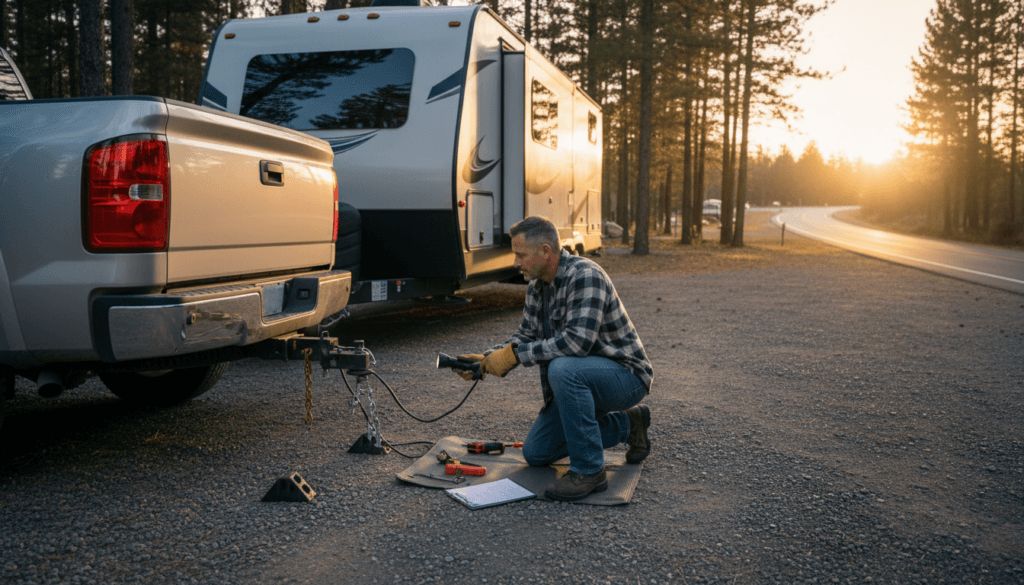
10 Crucial Checks Before You Tow Your Trailer
Whether you are heading into the Wasatch Mountains for a winter retreat or moving heavy equipment across the valley, it is vital to understand the safety protocols required to tow a trailer properly. At Salt Lake Towing, we have seen firsthand how a few minutes of preparation can prevent major roadside emergencies and keep your cargo—and your family—safe during transit.
Why Pre-Tow Inspections are Essential in 2026
As we begin January 2026, Salt Lake City is experiencing typical mid-winter conditions, including icy patches and fluctuating temperatures. These environmental factors put extra strain on your vehicle and trailer. A trailer that behaves perfectly in the summer can become a liability on a slick I-15 or I-80 if the equipment isn’t properly maintained. Before you set out to tow anything this season, these ten checks are your first line of defense against mechanical failure.
“Safety on the road isn’t just about your driving skills; it’s about the integrity of the equipment you are pulling behind you.” — The Salt Lake Towing Safety Team
1. Inspect the Hitch and Coupler
The hitch is the only thing keeping your trailer attached to your vehicle. Ensure the coupler is fully seated on the hitch ball and that the locking lever is snapped down and secured with a cotter pin or a lock. Always verify that the ball size matches the coupler size (e.g., a 2-inch ball for a 2-inch coupler). If there is any “play” or wiggling once locked, you may need to adjust the nut under the coupler or replace the hitch components entirely.
2. Verify Tire Pressure and Tread Depth
Trailer tires often sit for long periods, leading to dry rot or flat spots. In the cold January air, tire pressure can drop significantly, affecting how you tow and your overall fuel economy. Check the PSI levels against the manufacturer’s recommendation found on the trailer’s VIN plate.
| Tire Component | What to Look For | Winter Action (Jan 2026) |
|---|---|---|
| PSI Level | Under-inflation or over-inflation | Check weekly; cold air reduces pressure. |
| Tread Depth | Uneven wear or balding | Ensure deep tread for traction on slushy roads. |
| Sidewalls | Cracks or “spiderwebbing” | Replace immediately if dry rot is present. |
3. Test All Electrical Connections
Visibility is limited during Salt Lake City winters, making your trailer lights more important than ever. Plug in your 4-pin or 7-pin connector and have a partner check the following:
- Left and right turn signals
- Brake lights
- Running lights/Tail lights
- Hazard flashers
If the lights are flickering, check for corrosion on the pins. A small amount of dielectric grease can help maintain a solid connection and prevent moisture from causing a short circuit.
4. Cross Your Safety Chains
This is a common mistake we see when people tow for the first time. Safety chains should not just be clipped on; they should be crossed under the trailer tongue in an “X” pattern. This creates a cradle that will catch the tongue of the trailer if the hitch were to fail, preventing it from digging into the pavement and causing a catastrophic flip.
5. Test the Trailer Brake Controller
If your trailer is equipped with electric brakes, you must ensure the brake controller in your cab is functioning. Slide the manual override on the controller to see if the trailer slows the vehicle down. In January, brake components can freeze or become encrusted with road salt, so a pre-trip test is mandatory to ensure you can stop safely on a downhill grade.
6. Balance Your Load (The 60/40 Rule)
Proper weight distribution is critical to prevent trailer sway. As a general rule, 60% of the cargo weight should be loaded in the front half of the trailer (closer to the vehicle). This ensures enough tongue weight to keep the trailer stable. A rear-heavy trailer is prone to dangerous fishtailing, especially when you tow at highway speeds.
7. Inspect Wheel Bearings and Axles
Wheel bearings are the unsung heroes of any trailer. If you hear a grinding noise or feel excessive heat coming from the wheel hubs after a short drive, your bearings likely need grease or replacement. Neglecting this check can lead to a wheel seizing up entirely, leaving you stranded on the side of the road needing a professional tow for both your vehicle and your trailer.
8. Check Your Mirrors and Blind Spots
Standard side mirrors are often insufficient for wide trailers. Ensure you have extended towing mirrors that allow you to see the entire length of the trailer and the lane behind you. If you can’t see the rear corners of your trailer, you are driving with a dangerous blind spot.
9. Monitor Your Tow Vehicle’s Fluids
When you tow, your engine and transmission work significantly harder. Before leaving, check the following in your primary vehicle:
- Engine Oil: Ensure it is clean and at the correct level.
- Transmission Fluid: Towing generates heat, which is the #1 enemy of transmissions.
- Coolant: Even in winter, an overworked engine can overheat if the cooling system is compromised.
- Brake Fluid: You need maximum stopping power for the added weight.
10. Pack an Emergency Kit
Despite your best efforts, equipment can still fail. Since it is currently the height of winter, your emergency kit should include more than just a spare tire. Bring a heavy-duty jack, lug wrench, road flares, blankets, and a portable battery jumper. Knowing you have a reliable roadside assistance partner like Salt Lake Towing on speed dial provides the ultimate peace of mind.
Summary of Your Pre-Tow Checklist
By following these steps, you significantly reduce the risk of accidents and mechanical breakdowns. Remember that towing is a skill that requires constant attention to detail. If you ever feel that your load is unstable or something feels “off” while you are on the road, pull over immediately to a safe location and re-inspect your connections.
If you find yourself in a bind or need professional assistance, call Salt Lake Towing at 801-701-1233 for immediate help. Our team is dedicated to keeping Salt Lake City drivers safe and informed through every mile of their journey. To learn more about our commitment to excellence, feel free to read more about our towing experts and our history of service.