
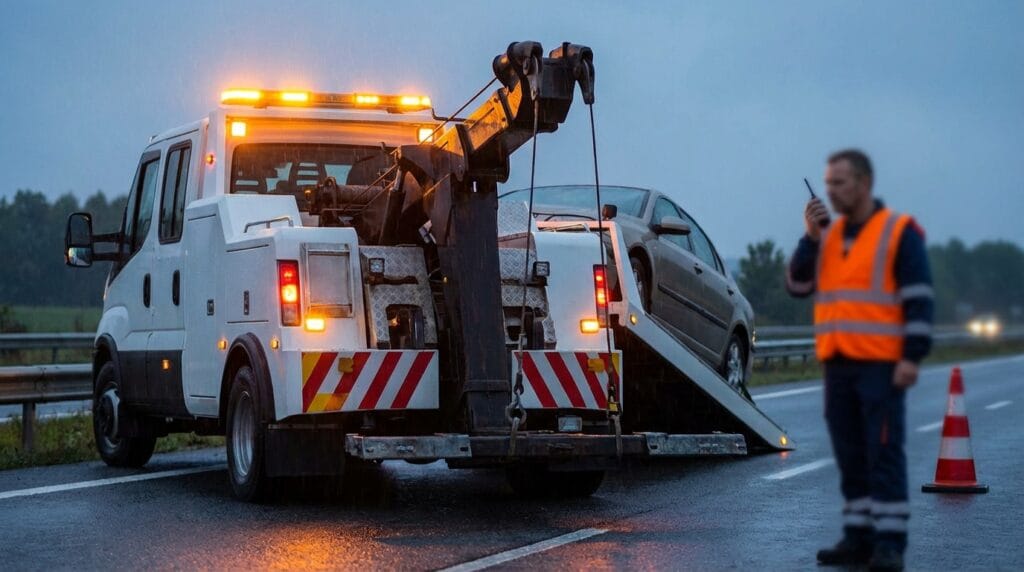
How to Handle Emergency Towing Needs
Navigating the slick, snow-covered highways of Utah this January requires vigilance, but even the most cautious drivers can encounter unexpected mechanical failures or accidents. Being prepared with the right knowledge about emergency towing can turn a potentially dangerous roadside crisis into a manageable inconvenience.
Prioritizing Safety on Winter Roads
The first few minutes after a breakdown are the most critical, especially given the icy conditions we have seen in Salt Lake City at the start of 2026. If your vehicle begins to fail or you are involved in a collision, your primary goal is to minimize exposure to oncoming traffic. Move your vehicle to the shoulder if it is still drivable, turn on your hazard lights immediately, and set up emergency flares or triangles if you have them.
It is vital to remain inside your vehicle with your seatbelt fastened until help arrives, particularly on high-speed interstates like I-15 or I-80. Wandering onto a snowy highway is a recipe for disaster. Once you have secured your immediate safety, you can focus on the next steps. For a deeper dive into protocol, reviewing what to do when your car breaks down can provide a helpful mental checklist for these high-stress moments.
Common Reasons for Emergency Towing in 2026
While vehicle technology continues to advance, the harsh elements of a Utah winter remain a constant challenge. At Salt Lake Towing, we have noticed specific trends this January regarding why drivers require emergency towing services:
- Battery Failure: The extreme cold snaps we have experienced this month can drain battery power rapidly, leaving cars unable to start.
- Slide-offs and Winch-outs: Black ice is a major culprit, causing vehicles to slide into ditches or snowbanks where standard traction cannot recover them.
- Tire Blowouts: Fluctuating temperatures can cause tire pressure to drop, leading to blowouts or flats caused by hidden potholes covered by snow.
- Engine Overheating: Surprisingly, engines can overheat even in winter if the radiator freezes or coolant levels are improper.
“Panic is the enemy of safety. When your car stops working, take a deep breath, assess your location, and call for professional help immediately.”
Information to Have Ready for the Dispatcher
When you call for emergency towing, efficiency is key. Dispatchers need specific information to send the right equipment and reach you quickly. Providing accurate details prevents delays and ensures that the tow truck operator arrives prepared for your specific situation.
| Information Needed | Why It Matters |
|---|---|
| Exact Location | Use mile markers, exit numbers, or GPS sharing on your smartphone to help us pinpoint you in low-visibility snow. |
| Vehicle Make/Model/Drive | Knowing if you have an AWD or 4WD vehicle determines if we need a flatbed truck to prevent transmission damage. |
| Nature of the Problem | A dead battery might only require a jump start service, whereas a collision requires a full tow. |
| Passenger Count | We need to ensure there is safe transport for everyone in your vehicle. |
Selecting the Right Towing Partner
Not all towing companies are equipped to handle every situation, especially during severe weather events. When you are stranded, you need a company that offers 24/7 availability and has a fleet capable of handling the specific terrain of the Salt Lake Valley. Speed is important, but the safety of your vehicle during transport is paramount.
You should look for a provider that is transparent about their arrival times and pricing. Choosing a reliable towing company involves checking for proper licensing and insurance, ensuring that they can legally and safely manage your vehicle without causing further damage.
Financial Considerations and Insurance
One of the first worries drivers have after safety is the cost. Emergency services are an unexpected expense, but many drivers are unaware of the coverage they already possess. Before paying out of pocket, check your auto insurance policy. Many comprehensive plans include roadside assistance.
It is worth taking a moment to verify if your insurance policy covers towing costs. If it does, Salt Lake Towing can often work with your provider or provide the necessary documentation for you to file a reimbursement claim. Additionally, membership in auto clubs often covers these services, so keep your membership cards accessible in your glovebox.
The Importance of an Emergency Kit
As we move further into 2026, we highly recommend that every driver in Salt Lake City keeps an emergency kit in their trunk. This kit should include:
- Heavy wool blankets or a sleeping bag.
- A portable phone power bank (batteries drain faster in the cold).
- Non-perishable snacks and water.
- A flashlight with extra batteries.
- Cat litter or sand for traction.
- Jumper cables.
Having these items can make the wait for your emergency towing service much more comfortable and safe, particularly if you are stranded in a remote area or during a blizzard.
Don’t let a winter breakdown leave you stranded in the cold; trust our experienced team to get you and your vehicle to safety efficiently. For immediate assistance, call us at 801-701-1233 any time of day or night. You can also learn more about our commitment to service by visiting our page to meet the Salt Lake Towing team.