
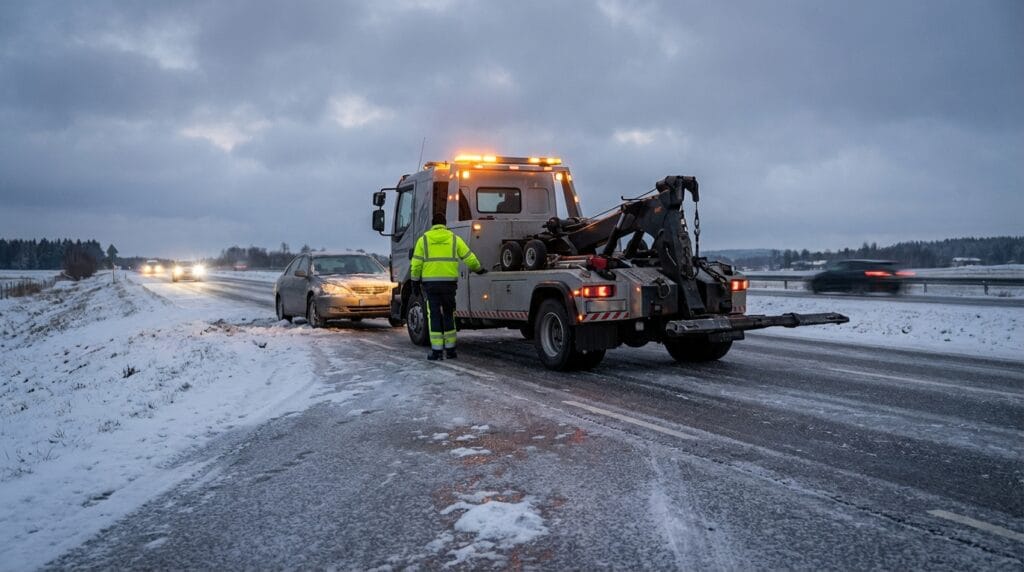
7 Hidden Dangers of Driving on Icy Roads
Key Takeaways
Black ice is invisible: It forms a transparent glaze on the road surface, making it the most deceptive and dangerous winter driving hazard.
4WD does not help you stop: While four-wheel drive assists with acceleration, it offers no advantage for braking or cornering on icy surfaces.
Stopping distances multiply: It can take up to ten times longer to stop on ice compared to dry pavement, requiring massive increases in following distance.
Bridges freeze first: Cold air circulating above and below bridges causes them to ice over rapidly, often while the rest of the highway remains wet but unfrozen.
Preparation is critical: Carrying an emergency kit and knowing how to react to a skid can mean the difference between a recovery and a rollover.
Winter driving transforms familiar routes into hazardous terrain, demanding heightened awareness from every motorist. Mastering the specific risks associated with icy roads is the most effective way to protect yourself and your vehicle this season.
1. The Invisible Threat of Black Ice
Black ice is a thin, transparent coating of glazed ice on a roadway that is virtually invisible to the naked eye, blending perfectly with the pavement beneath it. Unlike white snow or slush, black ice does not reflect light in a way that signals danger to drivers, often appearing merely as a wet patch on the road. This invisibility makes it the primary cause of sudden loss of vehicle control during winter months.
To identify black ice before you hit it, look for:
Glossy surfaces: Pavement that looks dark and shiny rather than dull and gray.
Lack of spray: If the cars in front of you stop kicking up water spray, the road has likely frozen.
Temperature clues: Even if the air temperature is slightly above freezing, the ground temperature may be lower, allowing ice to form.
“Black ice is the silent predator of winter driving; you rarely see it until you feel your tires lose their grip.”
2. The Exponential Increase in Stopping Distance
Stopping distances on icy surfaces can increase by up to ten times compared to dry pavement, requiring significantly earlier braking and vastly expanded following distances. Friction, which is the resistance that allows your tires to grip the road, is nearly eliminated on ice. When friction drops, the kinetic energy of your moving vehicle becomes much harder to dissipate.
Understanding the physics of stopping is crucial. On dry roads, a car traveling at 60 mph might stop in 140 feet. On ice, that same stop could require over the length of four football fields. This dramatic shift is why rear-end collisions are among the typical reasons drivers require towing assistance during the first freeze of the year.
Stopping Distance Comparison Table
Road Condition | Average Friction Coefficient | Est. Stopping Distance (at 60mph) |
|---|---|---|
Dry Concrete | 0.70 – 0.80 | 140 ft |
Wet Asphalt | 0.40 – 0.50 | 220 ft |
Packed Snow | 0.20 – 0.30 | 450 ft |
Icy Road | 0.05 – 0.10 | 1,400+ ft |
3. The Four-Wheel Drive (4WD) Fallacy
Four-wheel drive (4WD) and All-wheel drive (AWD) systems assist with acceleration and forward momentum on snow, but they provide absolutely no advantage when braking or cornering on ice. This is perhaps the most dangerous misconception in modern motoring. Drivers often confuse the ability to go with the ability to stop.
When you hit the brakes, every modern vehicle becomes a four-wheel brake vehicle. The limiting factor is not the drivetrain, but the traction available between the tire rubber and the ice. Overconfidence in 4WD systems leads drivers to maintain unsafe speeds, resulting in slides that technology cannot correct.
Why 4WD Fails on Ice:
Inertia rules all: A heavier 4WD truck has more mass to stop than a lighter sedan.
Tire limitations: Without winter-rated tires, 4WD is simply spinning four wheels instead of two.
Cornering physics: 4WD helps pull a car through a turn on dirt, but on ice, lateral grip is non-existent regardless of which wheels have power.
4. The Thermodynamics of Bridge Freezing
Bridges and overpasses freeze before the rest of the road because cold air circulates both above and below the surface, causing rapid heat loss from all sides. Unlike standard roadways, which are insulated by the ground beneath them, bridges lose their stored heat quickly as soon as ambient temperatures drop.
This phenomenon creates “localized icing,” where a driver can be cruising safely on a wet highway and suddenly hit a patch of solid ice upon entering a bridge. This sudden change in traction is a frequent cause of accidents where vehicles spin out and strike guardrails. It is essential to lift your foot off the accelerator before crossing any bridge when temperatures are near freezing.
5. Compromised Visibility and Snow Blindness
Winter weather reduces visibility not just through falling precipitation, but through “snow blindness” caused by sunlight reflecting off white surfaces and dirty spray from other vehicles. The glare from the sun hitting ice or snow can be blinding, washing out brake lights and traffic signals. Furthermore, the “road spray” of salt, dirt, and melting slush can coat your windshield in seconds.
To combat this, you must ensure your vehicle is mechanically prepared. We recommend keeping a comprehensive towing safety checklist handy, which includes checking your washer fluid levels and wiper blade integrity before every trip. If you cannot see, you cannot react to the ice patches discussed above.
6. Mechanical Strain and Failure
Extreme cold exacerbates existing mechanical issues, particularly causing battery failure and tire pressure drops that affect vehicle handling. As the temperature drops, the chemical reaction inside your car battery slows down, reducing its power output, while the engine requires more power to start due to thickened oil.
More critically for safety, tire pressure drops by approximately 1 PSI for every 10 degrees Fahrenheit the temperature falls. Under-inflated tires have a distorted footprint, which significantly reduces their ability to channel slush and grip icy surfaces. Driving on ice with improper tire pressure is a preventable danger that compromises your vehicle’s stability control systems.
7. The Unpredictability of Other Drivers
Even if you drive perfectly, the inability of other motorists to adjust their speed for conditions creates a high-risk environment for multi-car collisions. You share the road with drivers who may be inexperienced with winter conditions, driving on bald tires, or distracted. On ice, one driver’s mistake can trigger a chain reaction that involves everyone in the vicinity.
Defensive driving on ice means assuming everyone around you has zero traction. When a car loses control on ice, it becomes a projectile. This loss of stability is one of the top causes of car rollovers, especially when vehicles slide sideways into dry patches or curbs. Always leave yourself an “escape route”—an open lane or shoulder you can move into if the car behind you fails to stop.
Practical Application: What to Do When You Hit Ice
If you encounter these dangers and find your vehicle sliding, your immediate reaction determines the outcome. Panic braking is the natural instinct, but it is the wrong move.
Do NOT slam the brakes: This locks the wheels (or triggers aggressive ABS pulsing) and removes your ability to steer.
Ease off the gas: Immediately remove your foot from the accelerator to transfer weight to the front tires.
Steer into the skid: If your rear wheels slide right, turn your steering wheel right. This aligns the wheels with the direction of travel.
Look where you want to go: Your hands tend to follow your eyes. Do not look at the telephone pole; look at the empty road.
Frequently Asked Questions (FAQ)
What is black ice?
Black ice is a thin, transparent layer of ice that forms on roadways, allowing the dark pavement to show through. It is extremely dangerous because it is nearly invisible to drivers and offers almost zero traction.
How does cold weather affect tire pressure?
For every 10-degree drop in Fahrenheit temperature, tire pressure typically decreases by 1 PSI. This reduction can compromise the tire’s contact patch with the road, reducing grip on icy surfaces.
Does 4WD help you stop on ice?
No, 4WD assists with acceleration and getting a vehicle moving, but it does not improve braking capabilities. All vehicles, regardless of drivetrain, rely on tire friction to stop, which is minimal on ice.
Why do bridges freeze before roads?
Bridges freeze first because cold air circulates both above and below the structure, causing it to lose heat rapidly from all sides. Standard roads are insulated by the ground, keeping them warmer for longer.
What should I do if my car starts to skid on ice?
Take your foot off the accelerator and do not slam on the brakes. Steer gently in the direction you want the front of the car to go (into the skid) until you regain traction.
How much following distance should I leave on icy roads?
You should increase your following distance to at least 8 to 10 seconds behind the vehicle in front of you. This compensates for the significantly reduced braking efficiency on icy surfaces.
Conclusion
The hidden dangers of icy roads—from the invisibility of black ice to the physics of braking distance—require a shift in mindset from casual commuting to active defensive driving. By understanding these risks and preparing your vehicle accordingly, you can navigate Salt Lake City’s winter roads with confidence.
However, even the most prepared drivers can find themselves stranded due to severe weather or mechanical failure. If you find yourself in need of assistance, Salt Lake Towing is ready to help. Visit us at Salt Lake Towing or call 801-701-1233 for immediate, professional support.